NATA-Accredited Floor Slip Resistance Testing
Slips, trips and falls factor for a large percentage of injuries in workplaces and public environments, however the risk of incidents can be minimised with the correct measures in place. Floor slip testing verifies product performance and helps to identify and manage wear and tear, contamination and cleaning residues. Safe Environments conducts slip resistance testing, public liability risk assessments and slip accident investigations, and provides expert witness evidence in slip and fall incidents. We are accredited with the National Association of Testing Authorities (NATA) and specialise in a number of tests including:
• Wet pendulum
• Dry Tortus
• Wet barefoot inclining platform
• Oil wet inclining platform (R rating test)
Onsite and Laboratory Slip Testing, Nationwide
Safe Environments provides both onsite and laboratory testing in order to meet our partners’ complete slip testing requirements across the country. You can deliver product samples for testingdirectly to us, or have our experienced consultants bring testing equipment to your premises throughout rural, regional and metropolitan Australia. We carry out testing at diverse locations including:
• Commercial buildings
• Shopping centres
• Swimming pools and recreation centres
• Workshops and industrial sites
Safe Environments offers an efficient and thorough service, delivering reports and certification with rapid turnarounds.
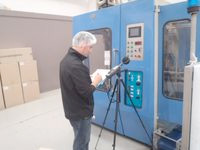
Our team can also provide other testing, certification and advice including asbestos awareness and management, noise and audiometric testing and inspections for air pollutants, dust and chemicals in the workplace. Contact us now to arrange your consultation with an experienced Safe Environments consultant.