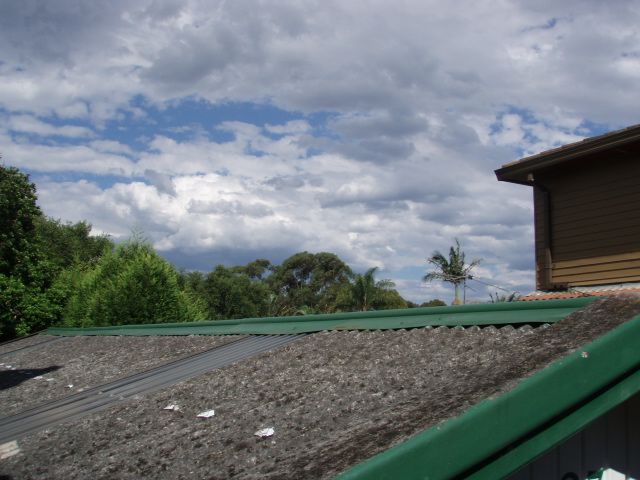
Identifying Asbestos

Identifying Asbestos

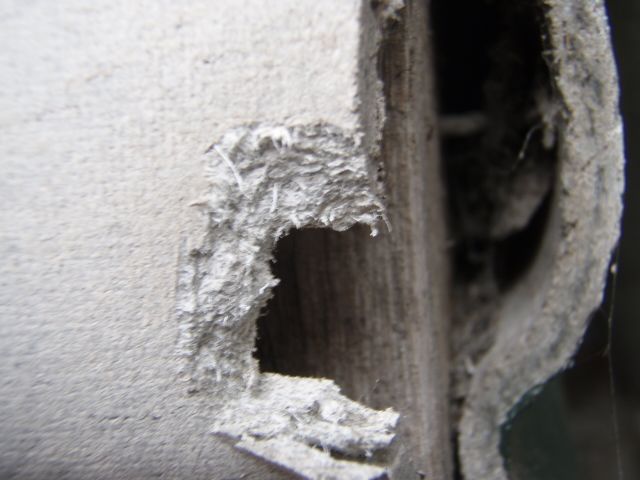
Identifying asbestos by enagaging an asbestos surveyor or asbestos consultant is an important check on the property to ensure that the risk of asbestos related illness is minimised. Asbestos is a common naturally occurring mineral silicate that was used in many building products such as fibre cement sheet.  When left and maintained in a good condition, bonded asbestos does not pose a significant health risk unless the asbestos containing material is deteriorated or disturbed such that it liberates fibres into the air.

A good understanding of building codes will assist in identifying potential asbestos containing materials as asbestos was used within building materials primarily due to the fibres providing superior fire resistance and heat insulation. A qualified asbestos consultant or surveyor should be used to confirm if the material contains asbestos and conduct a risk assessment and record the results within an asbestos register. The following is not an exhaustive list, however it will assist in identifying where asbestos products may be found:  

  • Fibre cement sheet eaves , ceilings, walls, gables and fascia
  • Fibre cement sheet packing and capping materials under structural supports and roof tiles
  • Vinyl Floor tiles
  • Compressed fibre cement sheet floors
  • Corrugated roof sheets
  • Sealants to movement joints and air condition duct work
  • Roof membranes
  • Moulded cement water pipes
  • Moulded asbestos lining to telephone pits
  • Molded cistern tanks
  • Pipe lagging
  • Heater and boiler insulation
  • Heater and boiler insulation
  • Flange gaskets to pipes
  • Ceiling tiles
  • Insulation and sheeting to fire doors
  • Electrical backing boards
  • Spandrel panels underneath windows
  • Spray applied fire rating material to ceiling and structural beams
  • Sound dampener underneath the kitchen sink
  • Window putty
  • Pointing work between brickwork
  • Millboard insulation to air conditioning reheating elements

An asbestos surveyor or consultant should be used in identifying potential asbestos containing materials. Identifying asbestos cannot be confirmed by a visual examination, samples of the suspected material must undergo asbestos testing at a laboratory using a microscope. If a suspected material is not submitted for testing, then the material will be presumed to contain asbestos. While the asbestos testing may seem to be an unwanted expense, it can save money in the long term as any repair or removal will required expensive controls and monitoring.

Please contact Safe Environments Pty Ltd and our asbestos surveyors will assist identifying asbestos within your property.
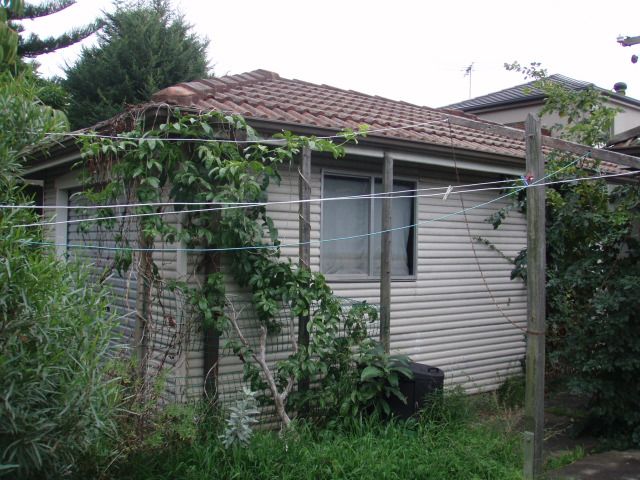
Safe Environments is located in Sydney, NSW and Melbourne Victoria. For further information please email: info@safeenvironments.com.au or contact our Sydney or Melbourne office listed below.


Sydney

Phone 02 9624 2600

Unit 6 The Hub, 128 Station Road

Seven Hills NSW 2147

Sydney@SafeEnvironments.com.au

Melbourne

Phone 03 9604 0700

Level 7, 552 Lonsdale Street

Melbourne Victoria 3000

Melbourne@SafeEnvironments.com.au


Asbestos Identification News

Identifying Asbestos in Sydney & Melbourne Houses - 4 August 09 

Identifying if your hosue contains asbestos is not as simple as looking at it with the naked eye. Identifying asbestos can only be confirmed using a microsope under polarised light microsopy identifying asbestos in Sydney & Melbourne houses


Identifying Asbestos and Inspection Methods - 4 August 09 

Identifying asbestos asbestos within your house should be conducted by a qualified asbestos consultant who has undertaken years of experience and training to not only identify, but also assess the level of risk. Safe Environments Provide a range of asbestos identification methods to assess your risk. Identifying types of asbestos inspections


Sydney 02 9624 2600

Melbourne 03 9604 0700